
We understand the difference between legal authority and insurable title.
Counsel chooses the legal path. WG Title identifies the record, evidence, signatures, and underwriting approval the closing file still needs.
Five practices. One closing question: can this client convey?
WG Title gives counsel a practice-specific route from the legal posture to the insured land record—then gets the title decision in writing before the contract deadline becomes the next emergency.
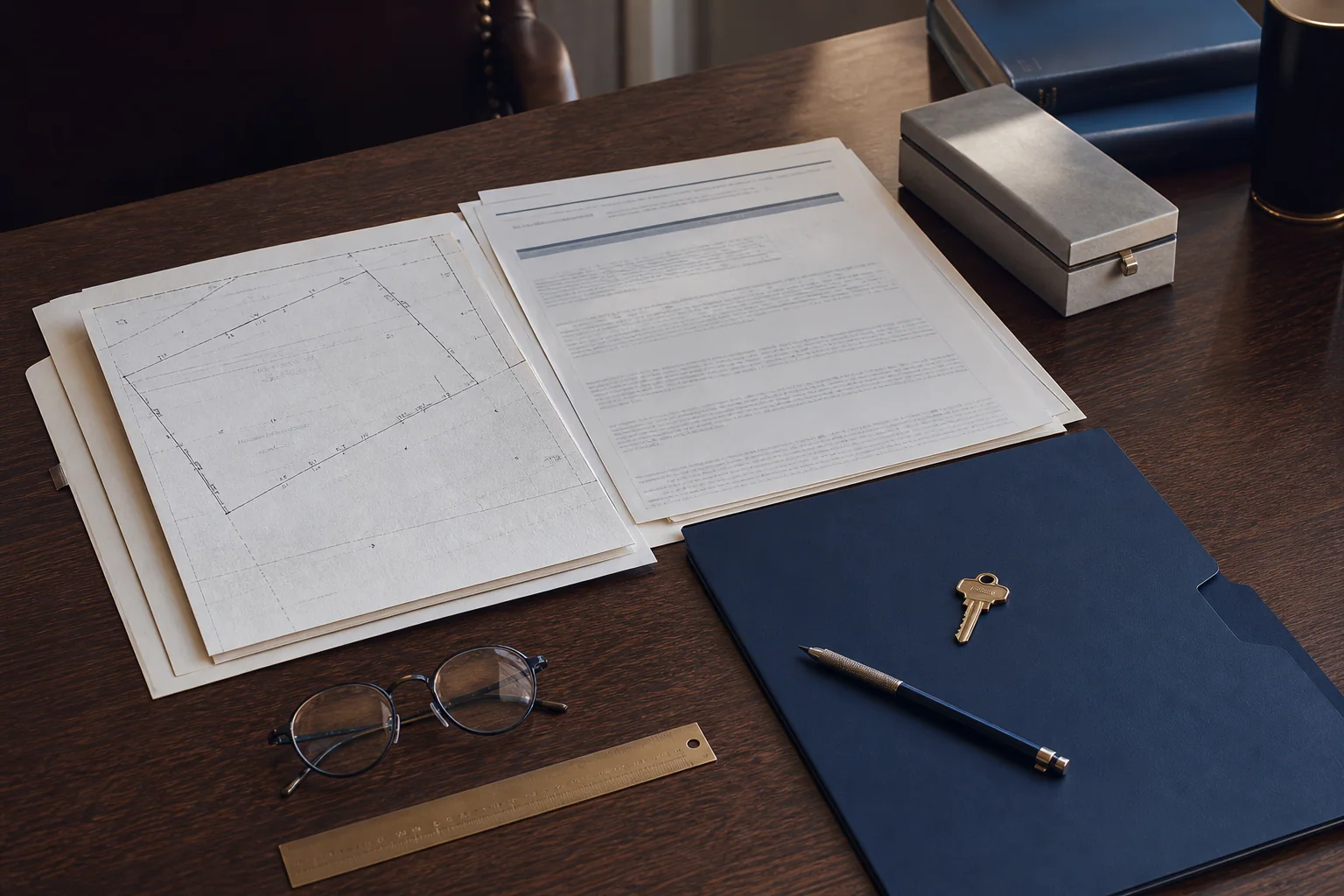
Legal posture, record evidence, underwriting decision, and closing control—on one desk.
A useful title company should identify the record evidence, signatures, payoff or lien work, escrow instructions, and underwriting approval the transaction needs, then put unresolved requirements in writing early. Counsel controls legal strategy and drafting; WG Title controls its title search, escrow workflow, and underwriter escalation.
Public service brief reviewed .
The law, public record, court order, contract, and title policy do different jobs. WG Title keeps those boundaries clear and makes the unresolved closing question visible early.
Counsel chooses the legal path. WG Title identifies the record, evidence, signatures, and underwriting approval the closing file still needs.
We deliver legible source documents, put unusual questions in front of the underwriter early, and report the actual answer instead of paraphrasing it.
WG Title does not advise your client or take your client. WG Law is a separate company, and no referral is automatic or assumed.
The artifact changes by practice. The discipline does not: name what is known, who decides the missing issue, and what must happen before funding.
Tell us the practice area, procedural posture, property, parties, target transaction, and hard date.
We gather the recorded instruments, commitment exceptions, court record, authority evidence, lien data, and closing instructions relevant to that posture.
The escrow officer turns the facts into a precise underwriting question and gets the requirement or decision back into the file.
Documents, signatures, payoff, settlement statement, recording order, and disbursement should all describe the same result.
Counsel determines the client's legal strategy. The escrow officer assembles the closing facts and documents. The underwriter decides what evidence and cure the title insurer will accept before taking policy risk.
Chooses the procedure, advises the client, and drafts the legal instruments or court request.
Builds the file, states the requirement, coordinates signatures and funds, and carries the question to underwriting.
Decides whether the proposed evidence and cure support the requested owner and lender coverage.
Every page identifies the recurring stall, the closing response, the decision-maker, and the primary authority behind the issue.
WG Title turns the probate posture into an underwriting path, protects the approved attorney invoice in the closing workflow, and pushes for a decision before the buyer's deadline becomes the next emergency.
WG Title delivers the commitment with its legible exception documents, turns objections into written underwriting decisions, and coordinates the survey, authority, instruments, and closing sequence with counsel.
WG Title reads the property award as a future sale or refinance file, identifies the record and underwriting consequences, and helps finish the chain while both spouses and the court record are still available.
WG Title translates counsel's tax structure into a controlled closing calendar for withholding, exchange documents, lien clearance, tax certificates, redemption periods, and disbursement.
WG Title reads the motion, notice, service, entered order, docket, stay posture, estate interest, and liens as one underwriting package before anyone promises the funding date.
WG Title provides title and escrow services. Legal advice remains with the attorney who owns the representation.
No. We are a title company, not a law firm. We explain what our underwriter requires and what title practice is; anything past that is your work, and we will say so.
WG Law is a separate, independently operated company that shares a family name with us. It is not the same business, referrals between them are never automatic, and nothing you send us gets routed anywhere without your knowledge.
No. Attorneys send us files because that does not happen. We deal with counsel, not around counsel.
Faster if you tell us the posture up front. Most of the delay in an unusual file comes from the question reaching the underwriter late, not from the underwriter being slow.
Regularly. Executors, trustees and receivers are frequently elsewhere. Tell us early and we will confirm the mechanics for that specific transaction.
Identical at every Texas title company: the basic title insurance premium and the promulgated endorsement charges. These are set by the Texas Department of Insurance. No company can discount them, and any company implying it can is describing something that is not legally possible.
Set by each company: the escrow or settlement fee, and the incidental charges around it. These are not promulgated, they do vary, and they are the fair thing to compare.
We would rather tell you which is which than let you assume we are cheaper on something nobody can be cheaper on.
What you will actually net, which repairs pay you back, and what your agents are worth on your house — before the sign goes in the yard.
What we do for them →The resale certificate, the T-47 and the payoff are what move your closing date. We start all three the day the file opens.
What we do for them →Entity authority and payoff structure take months to fix. Find them before you go to market, not in week six of escrow.
What we do for them →Send the practice area, property, legal posture, court or authority record, commitment, contract deadline, and the exact question that has to be decided.